Environmental Science
Living Shorelines Superpowers
In 2024, I began a project about the benefits of reintroducing living shorelines along the Hudson River in Hoboken and neighboring cities; it was called Living Shorelines Superpowers. Many parts of our waterfront have been transformed into hard surfaces such as concrete, stone, and steel sheet piling making it harder for natural habitats to develop.
This topic is personal to me. I was born during Hurricane Sandy, when Hoboken experienced severe flooding, and many people lost electricity and access to water. This made me want to learn how we can make our waterfront communities more resilient as water levels rise.
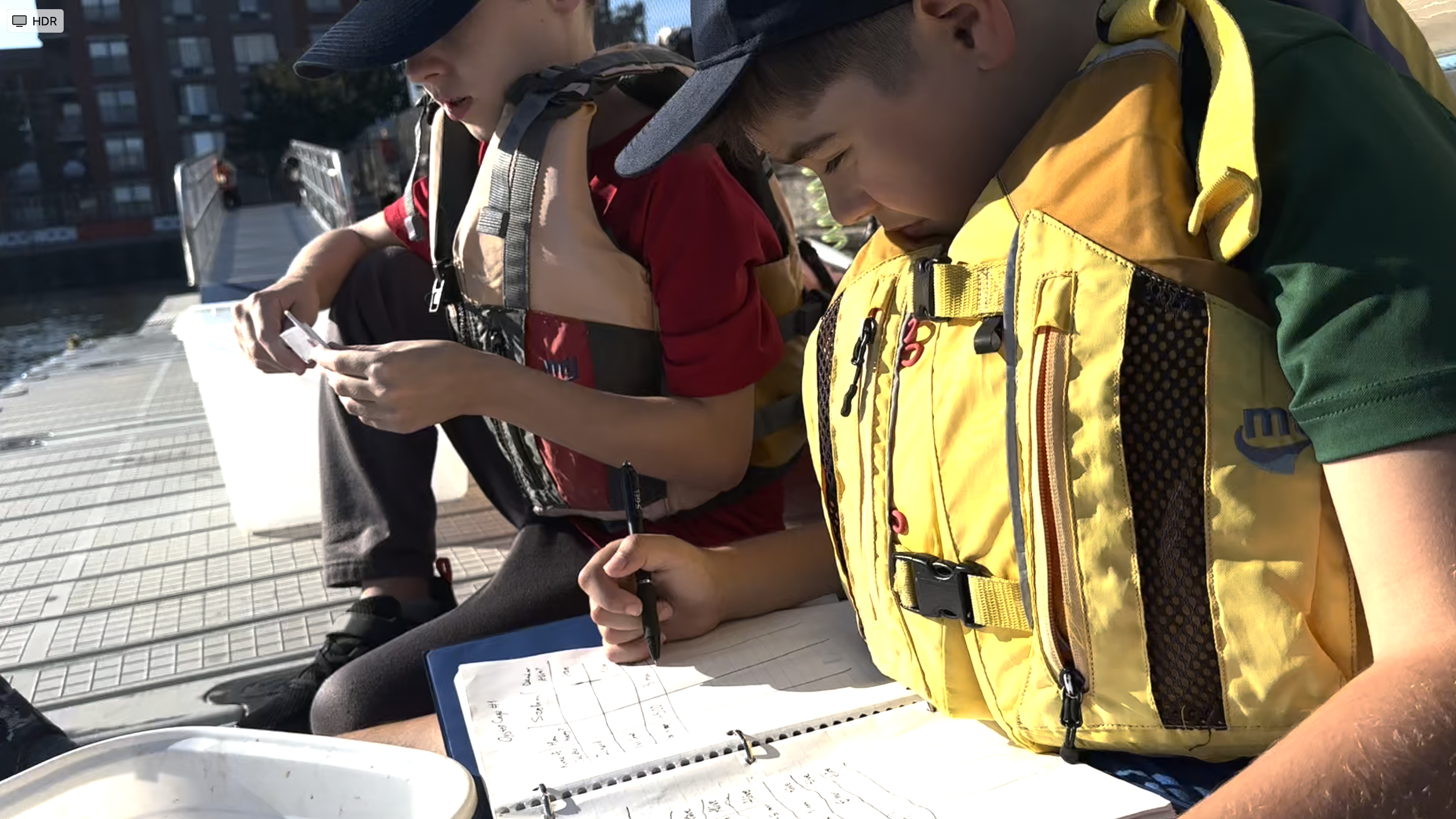
I was also interested in this topic because I have been active on the Hudson River through kayaking and volunteering to clean the shoreline. Through these experiences with Resilience Adventures, I had the opportunity to spend more time on the river and learn about the challenges facing our local waterfront. I also worked with my field mentor, the Director of Resilience Adventures, Ms. Noelle Thurlow, who has a Master of Arts in Teaching and a Master’s degree in Biology with a focus on Urban Ecology.
As I researched living shorelines, I conducted several experiments to understand how natural features could help improve the health and resilience of the Hudson River. I showed how ribbed mussels filter water and remove pollutants, and I conducted experiments showing how reefs can dissipate wave energy and reduce the impact of flooding. I also studied how combining reefs and wetlands along the shoreline can create better habitats for marine life.
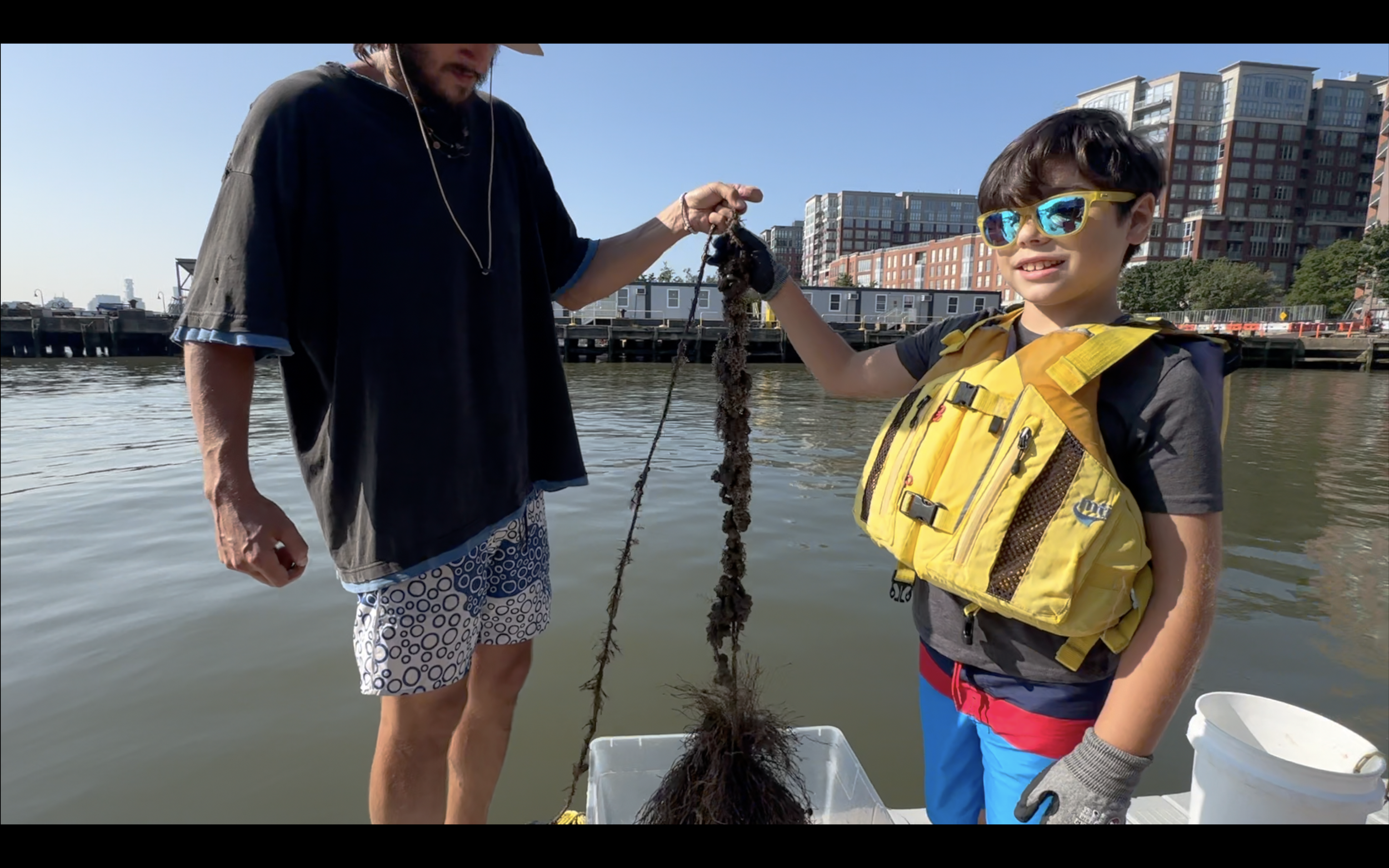
For the final part of my research, I began testing eel mops and oyster cages. Eel mops are passive traps scientists use to monitor young American eels, called glass eels, that migrate into the Hudson River and its tributaries each spring.
During my first eel-mop trial, I identified a problem: traditional eel mops use plastic components and fibers that can contribute microplastics and microfibers to the river. I wanted to find a more environmentally friendly alternative. I designed and tested eel mops with ceramic bases and three fiber types: coir, jute, and polypropylene. My experiment showed that coir was a promising material for an eco-friendly eel mop.
1.- Clear Water Through Filtration
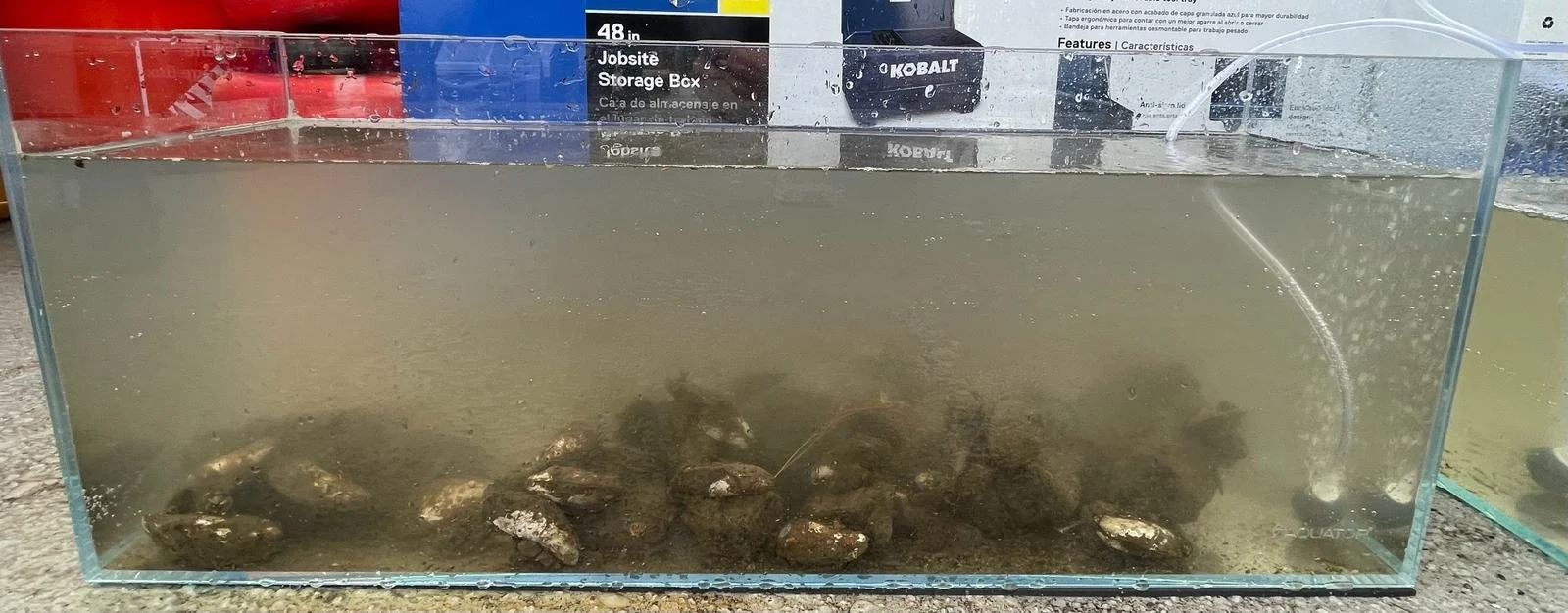
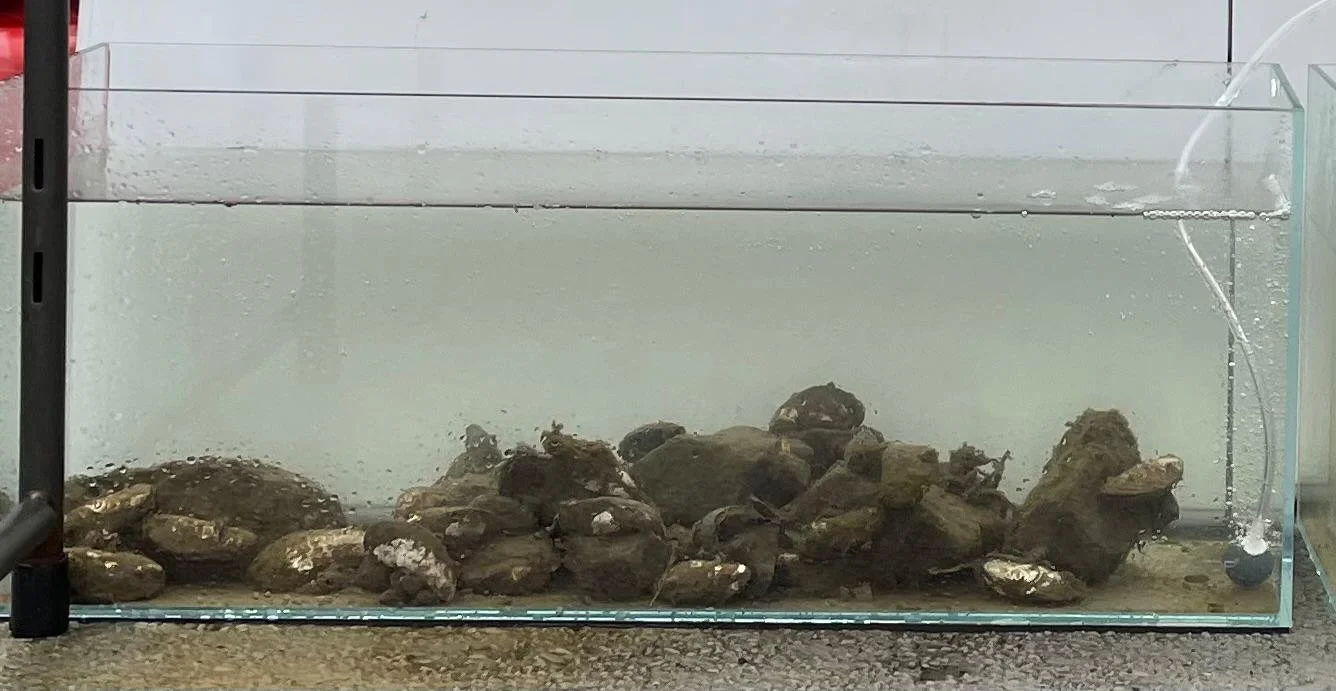
In the experiment, we used ribbed mussels (Geukensia demissa), which are equally effective as eastern oysters in improving water quality and habitat conditions. These new habitats will likely stay intact because they are less prevalent than oysters for human consumption. The experiment lasted for 24 hours and involved placing the mussels in a tank filled with water from the Hudson River, to which we added 40 ml of plankton. We collected data on the water conditions before and after the experiment.
While the water test values showed no change, the turbidity levels differed significantly; initially, the visibility was at 70 JTU (approximately 1 ½ ft visibility), to 0 JTU at the end of the experiment. When observing the water through a microscope, We initially noted the presence of mud, plankton (noted as a green area), and various organisms moving around. By the end of the experiment, the green color and moving dots had disappeared. The ribbed mussels filtered out the tiny organisms and toxins in the water.
2.- Absorbing Energy From Waves
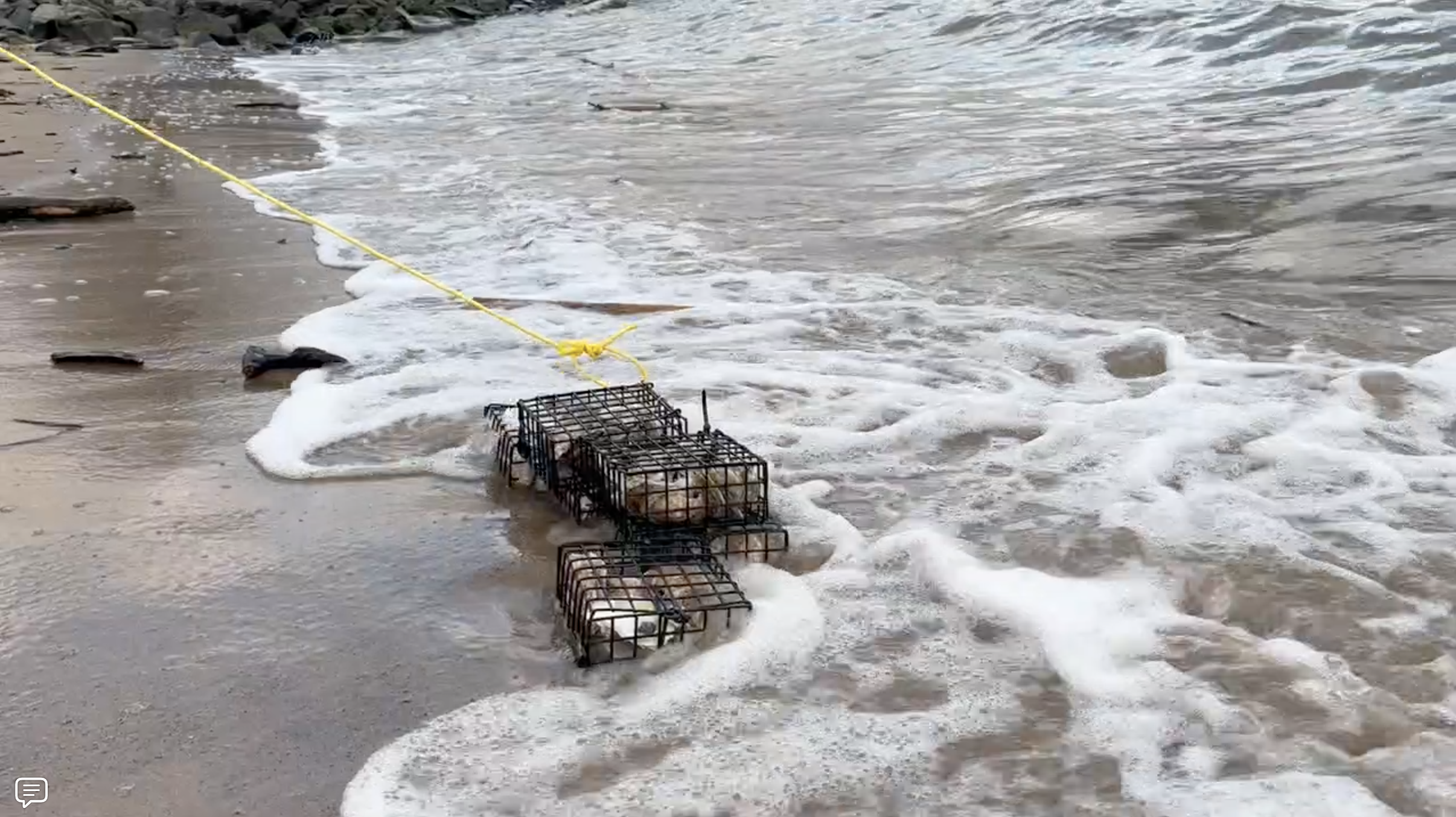
In our first experiment, we constructed a small oyster bed using metal cages filled with empty shells. We observed its impact on wave dissipation at Hoboken Cove. The reef we built needed to be larger, making the results difficult to observe. However, after reviewing the videos, we concluded that the water slowed when it hit the reef and did not travel further inland.
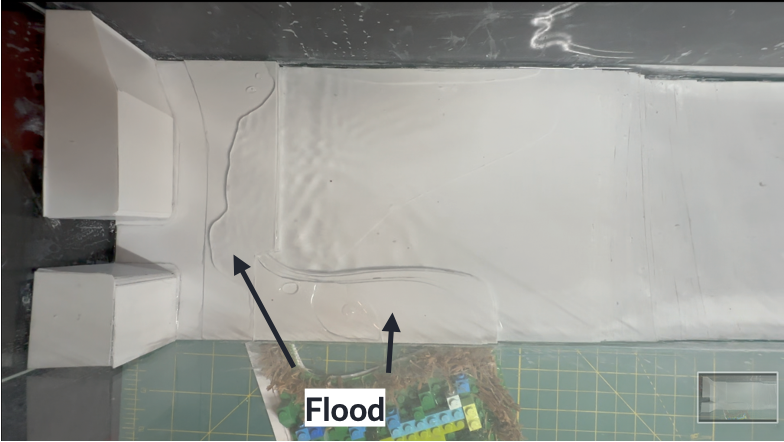
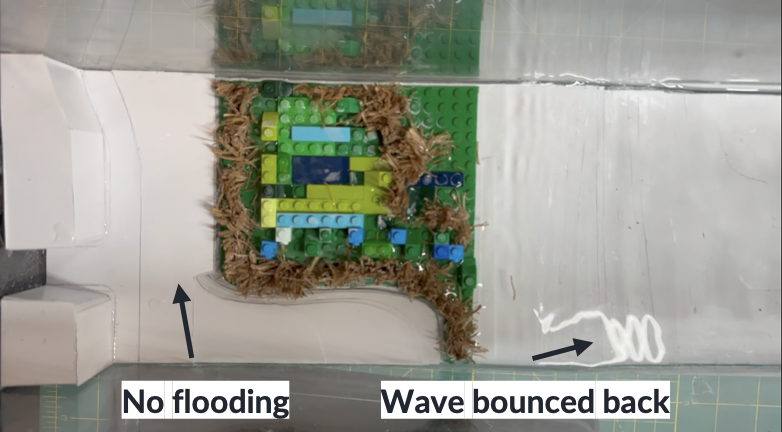
For the second experiment, we created a wave tank that replicated the topography of Hoboken. When we recreated the conditions of Hurricane Sandy, of a storm surge of 11 feet and the tallest waves reaching 14 feet, with the current topography, the streets flooded. However, when we introduced the living shorelines in the wave tank, we observed that the strength of the waves changed upon colliding with the reef. The waves backed off, slowed down, and ceased to travel further inland. As predicted, we concluded that the living shorelines effectively dissipated wave energy under extreme conditions.
3.- Habitat for Native and Migrating Species
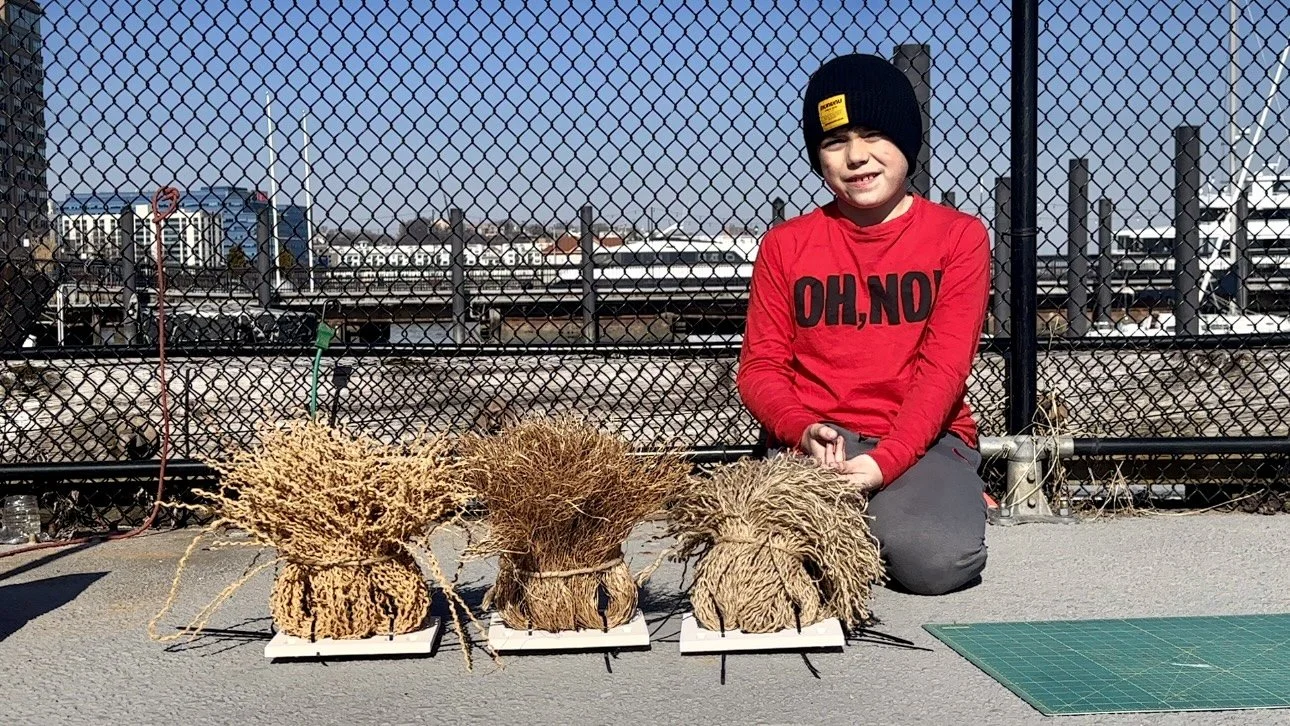
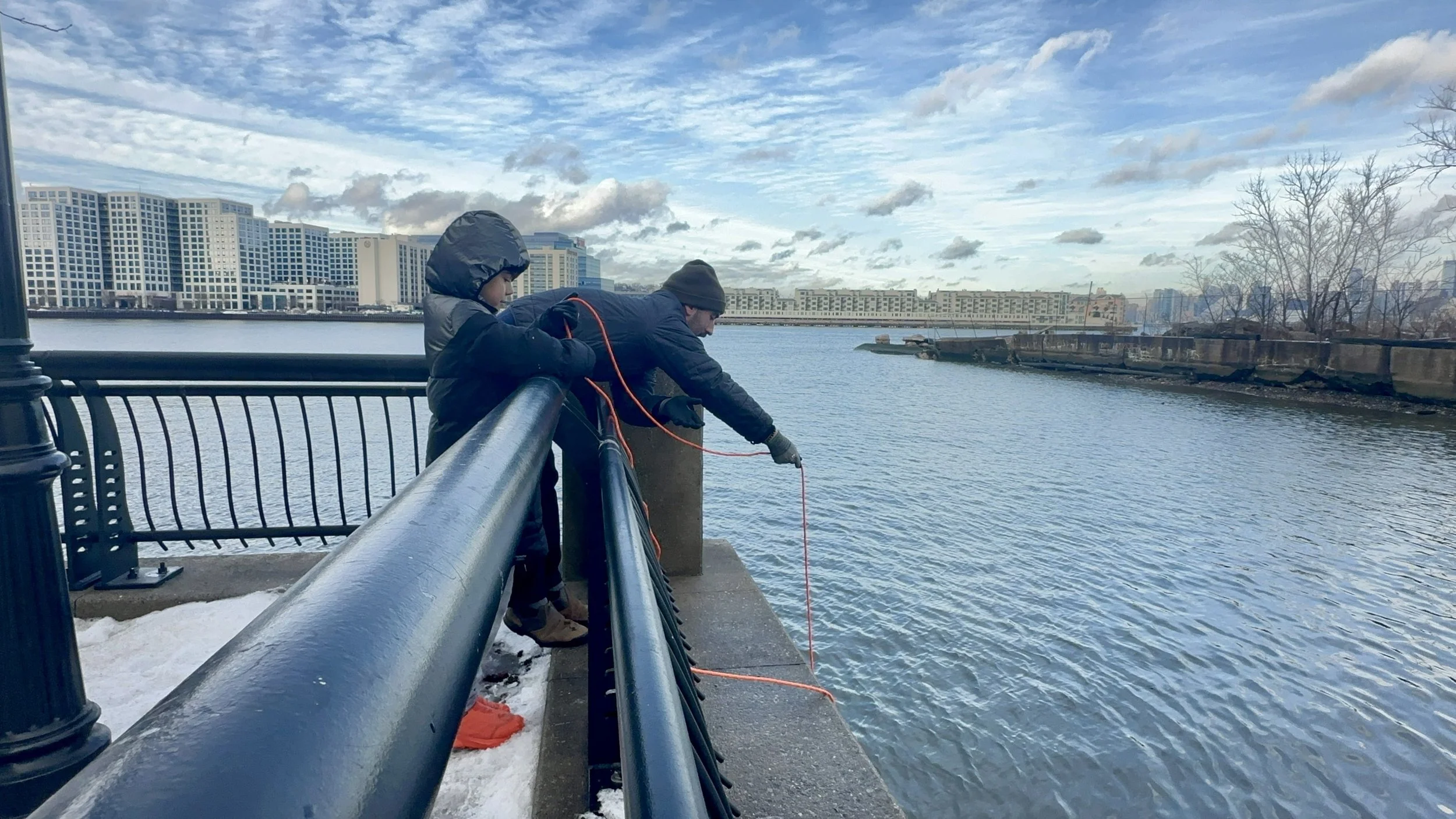
In this experiment, we designed and deployed oyster cages and eel mops using eco-friendly and biodegradable materials to prevent additional pollution. We tested three types of mops from February until October. Two mops were made of ceramic tamer tile, coconut fiber, and jute natural fibers. The third mop had polypropylene fibers attached to the ceramic. This experiment evaluated the ability of these mops to support marine life, their durability, environmental impact, and overall performance.
The coconut mop proved to be highly effective in supporting life; it is durable and remains in good condition when submerged in the Hudson River for an adequate duration longer than the migration season. Coconut fiber is a renewable, sustainable, and environmentally friendly resource. It is biodegradable and breaks down naturally, posing no adverse effects on water quality or the health of the specimens we studied.
We encountered many incredible organisms during our exploration, but the eel glass remained elusive. The Resilience team found a few specimens at Weehawken Cove, a shallow location protected from waves and boat traffic. Additionally, we consistently discovered oil in our mops, which could explain the absence of certain specimens in that area. Various shells also appeared in our oyster cages during warmer weather, proliferating between August and October.
Environmental Science & Engineering
The Eel Mop Project
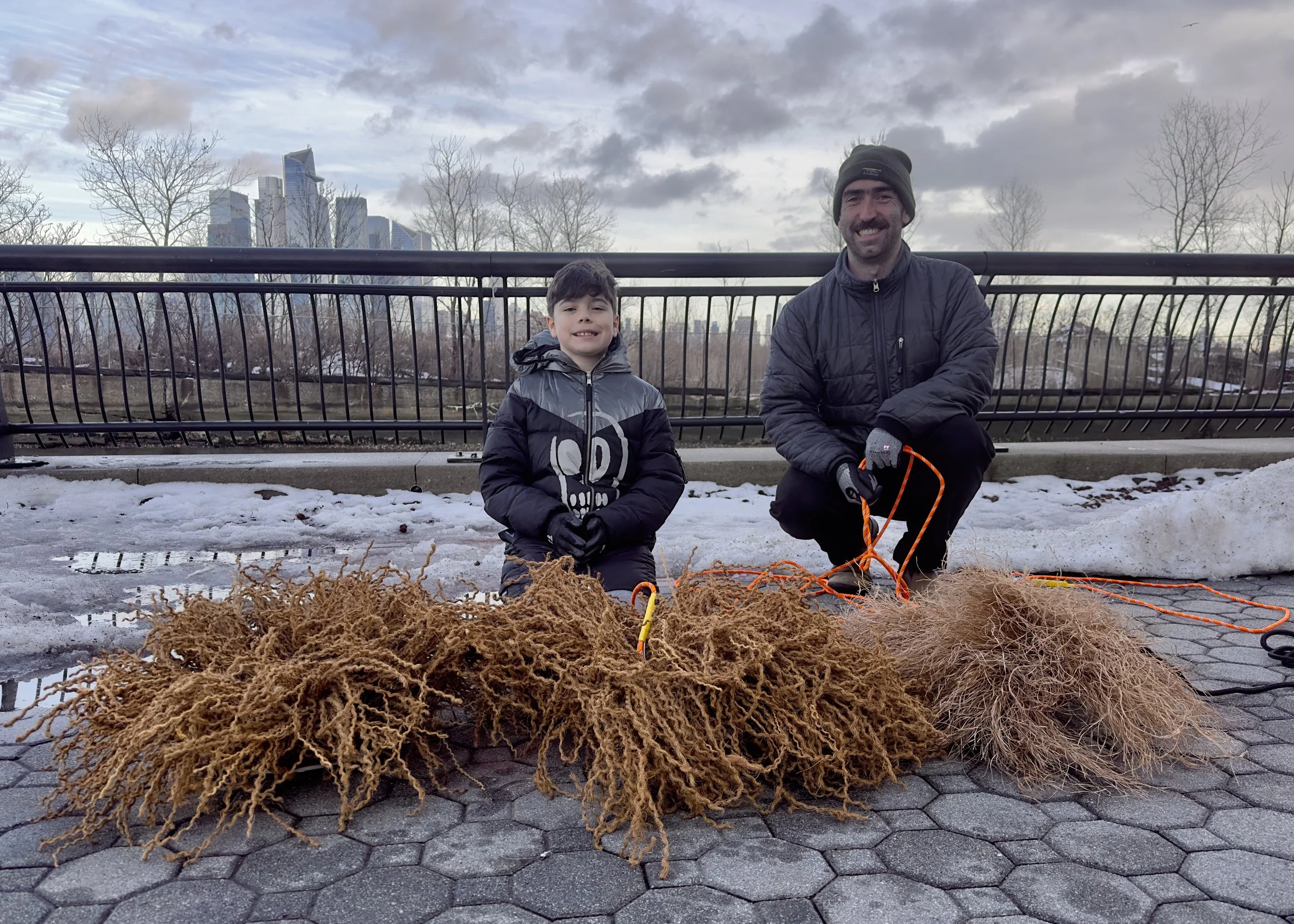
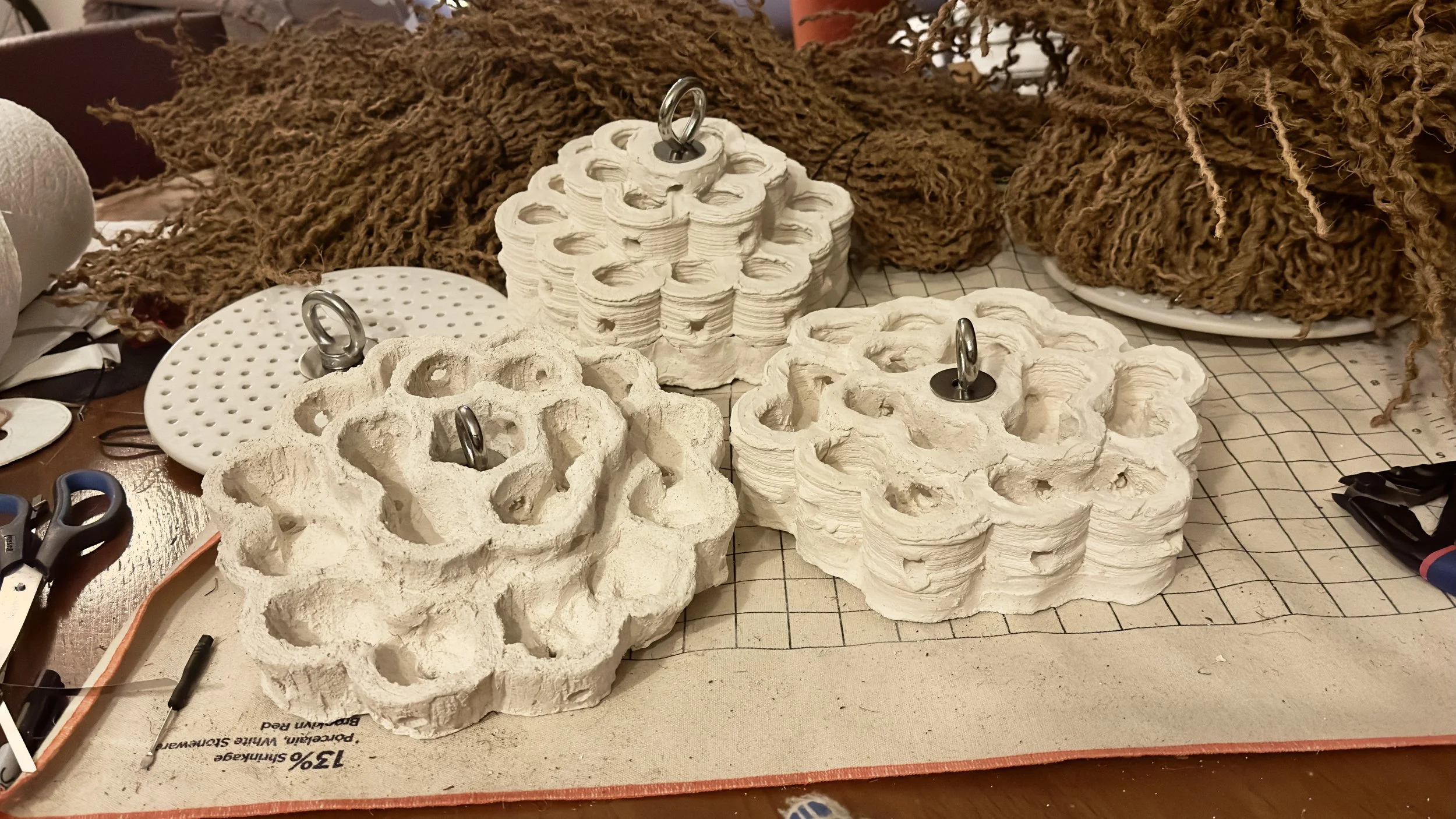
In 2025, I continued developing sustainable mops with my second project, which I called The Eel Mop Project. This time, I focused on designing and building two prototypes using ceramic bases, coir fibers, and stainless-steel components. In this scientific journey, I identifieded a real environmental problem, designed an object from scratch, learned how to build it, and then tested my prototypes in the field in collaboration with scientists studying the Hudson River.
My project results became part of a larger Hudson River research effort directed by the NY/NJ Harbor and Estuary Program, which included data from 16 sampling stations. I also won a grant from the City of Hoboken and Bloomberg Philanthropies that helped me create an educational initiative engaging students from public schools in Hoboken, giving young people the opportunity to learn about the Hudson River, the American eel, and environmental science.
When I compared my eco-friendly prototypes with the traditional plastic mops scientists used, the results were especially encouraging. On a per-mop basis, my eco-friendly mops were more than five times as likely to catch glass eels as the traditional plastic mops, while remaining intact during the study and allowing us to monitor the eels and other organisms without harming the ecosystem or the specimens being studied.
What began as a question about how we can make our waterfront more resilient became a much larger learning experience for me. I learned that environmental science is not only about understanding a problem. It can also involve designing, building, testing, collaborating with scientists, and finding practical solutions that benefit both people and the environment.
Living Shorelines Superpowers
Design + Production + Testing
+
Design + Production + Testing +
Sketches
1 .
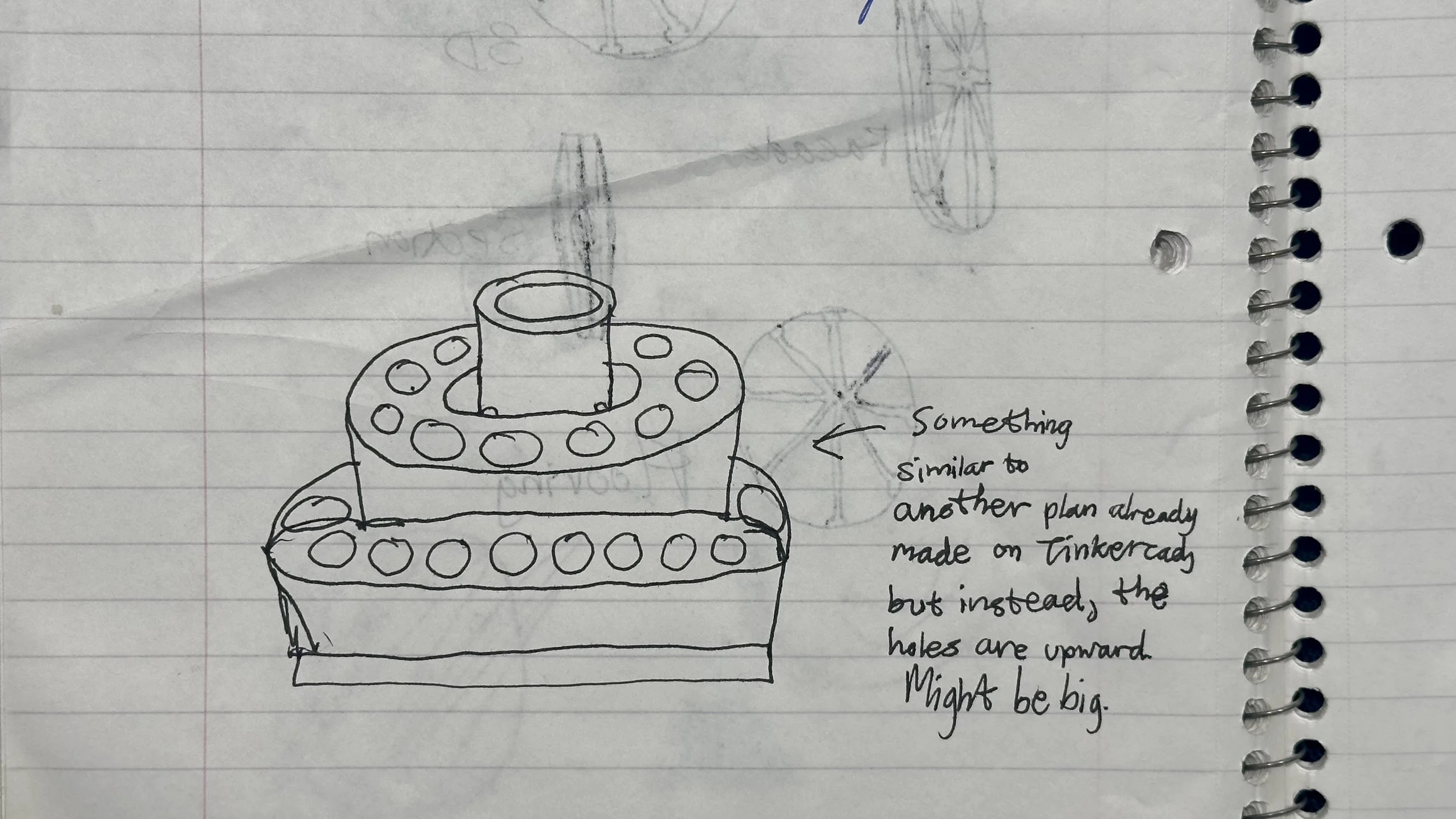
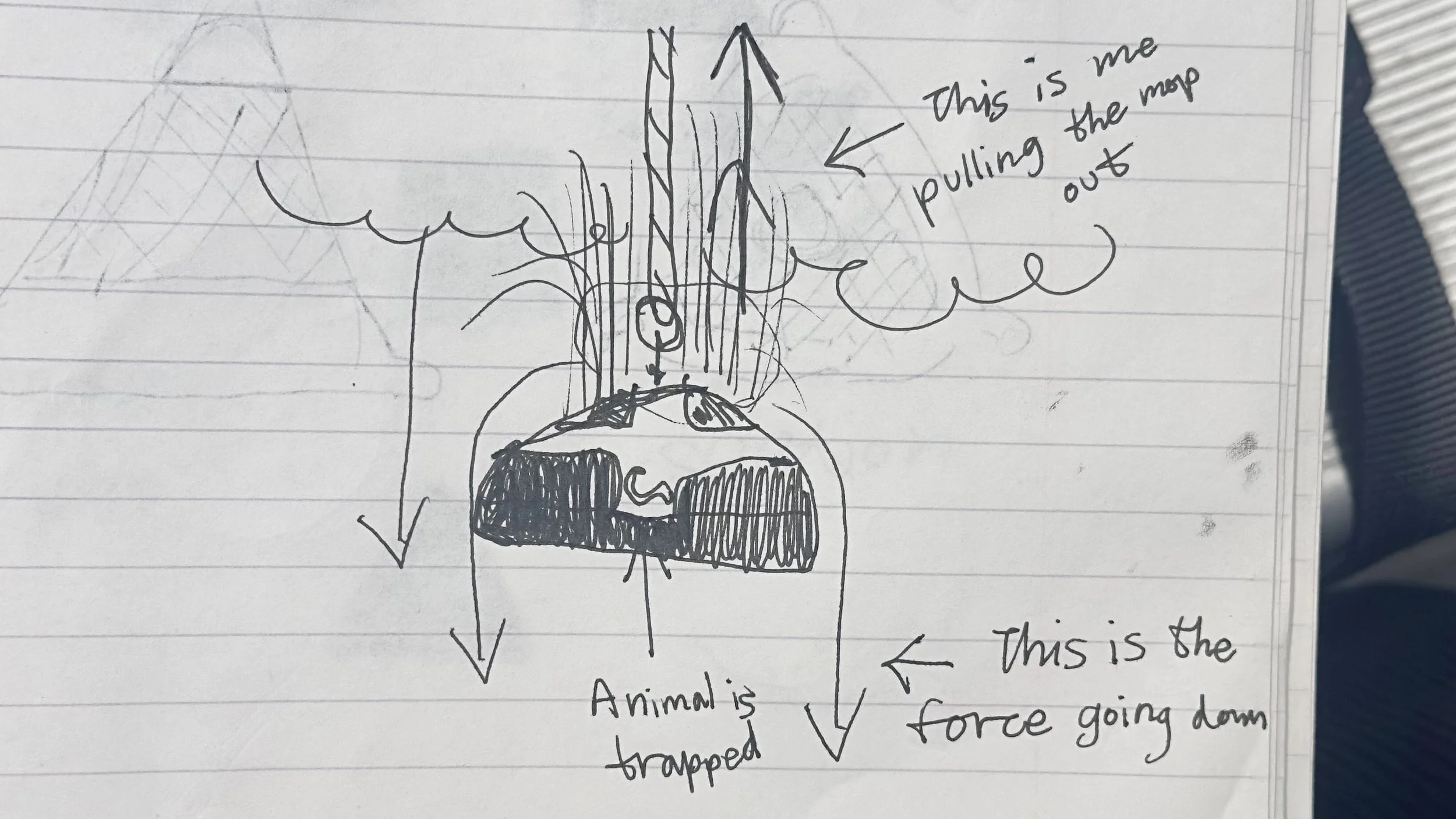
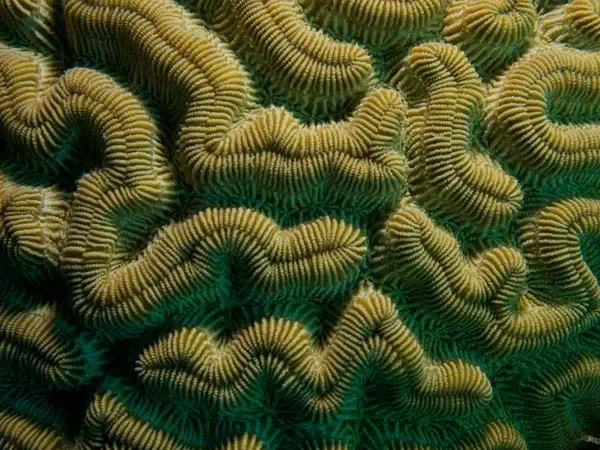
Sources of Inspiration: Nature Geometry and Ernst Haeckel’s illustrations
2 .
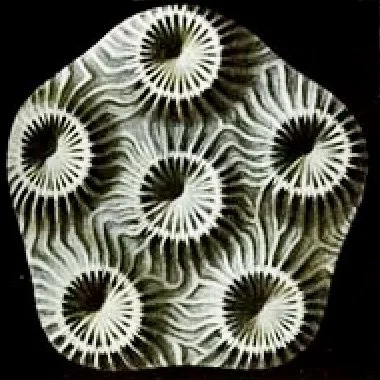
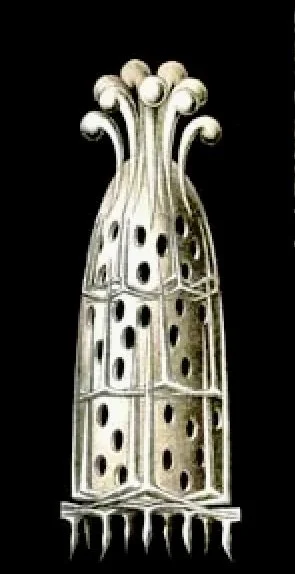
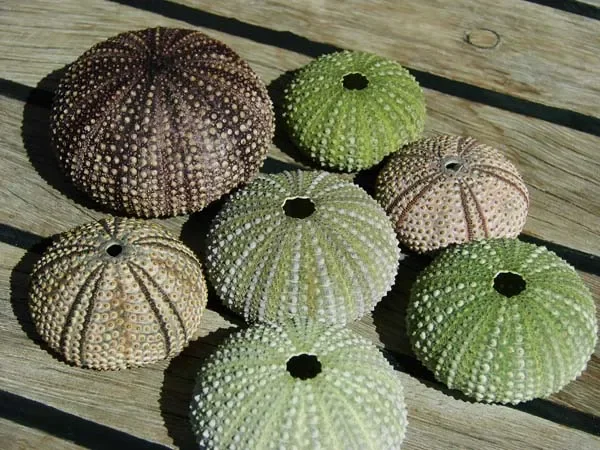
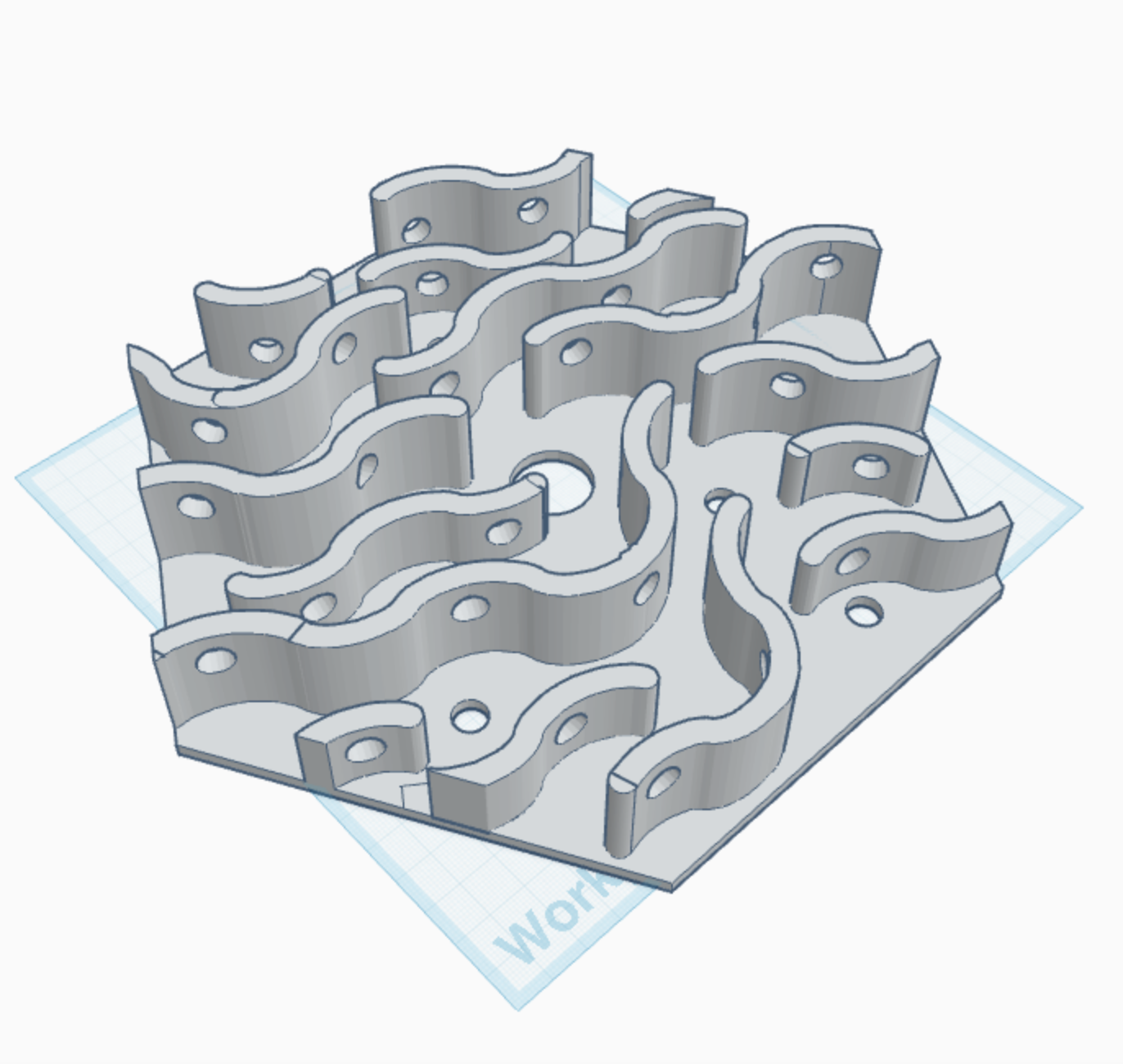
3D Drawings in Tinkercad
3 .
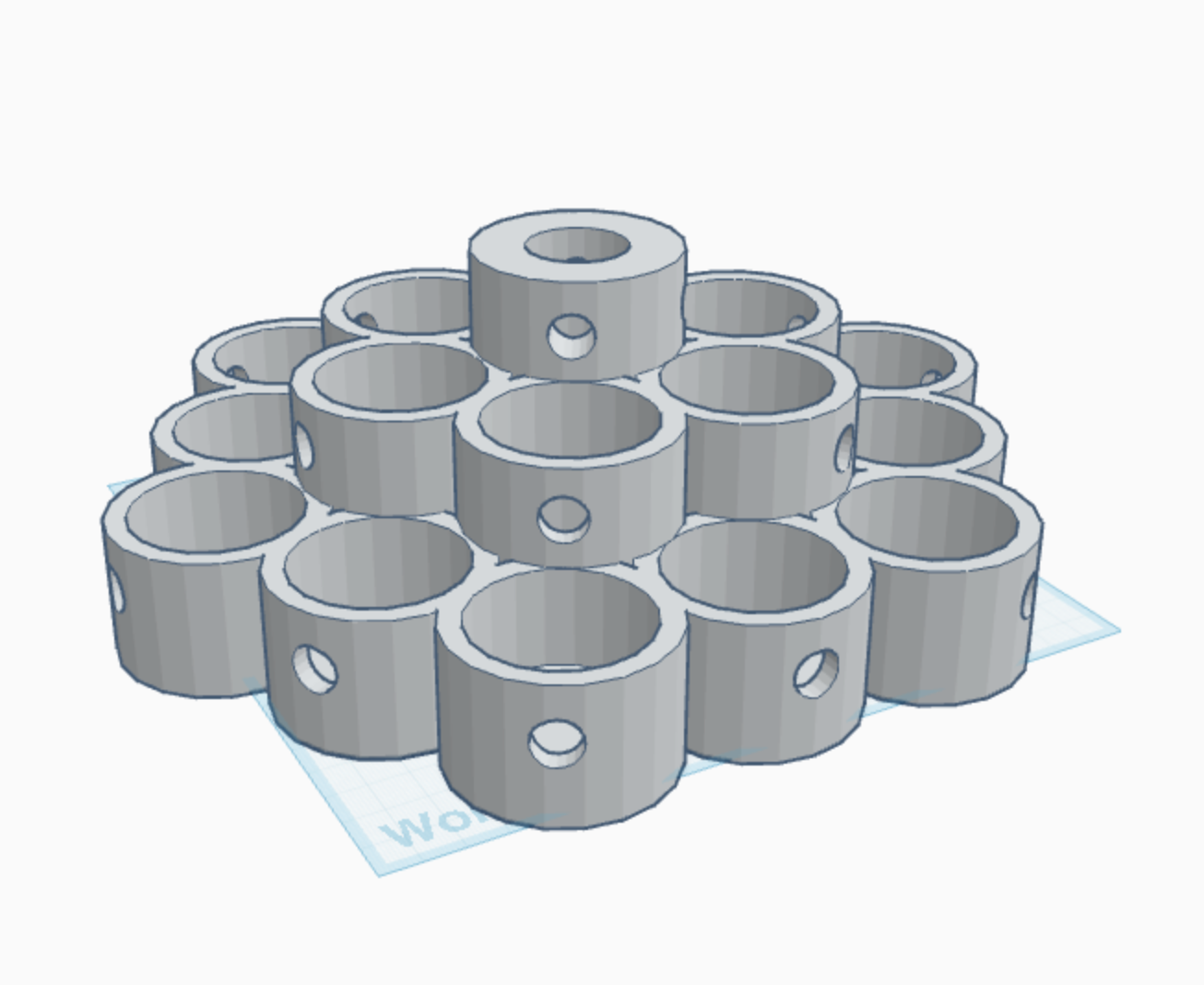
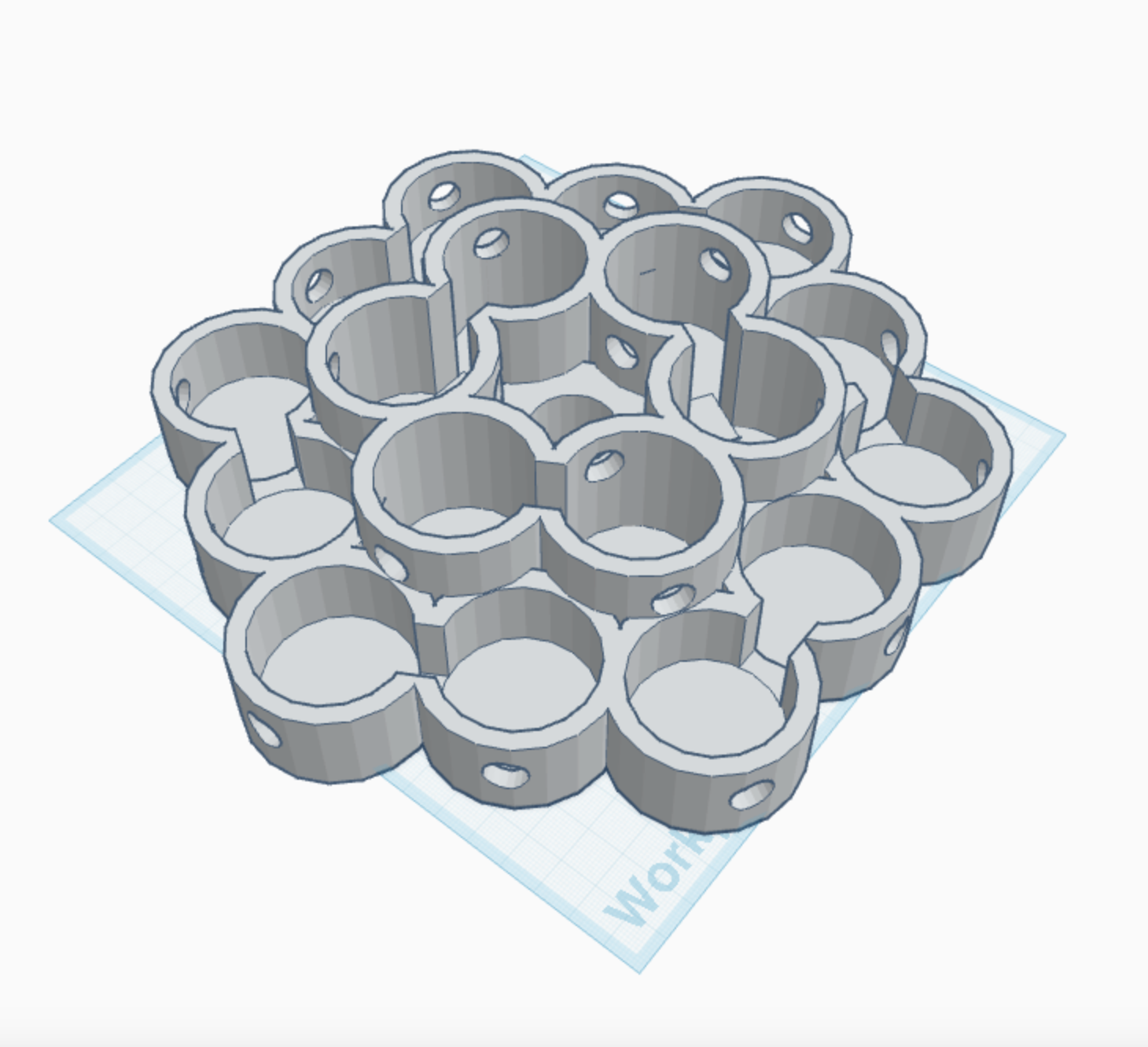
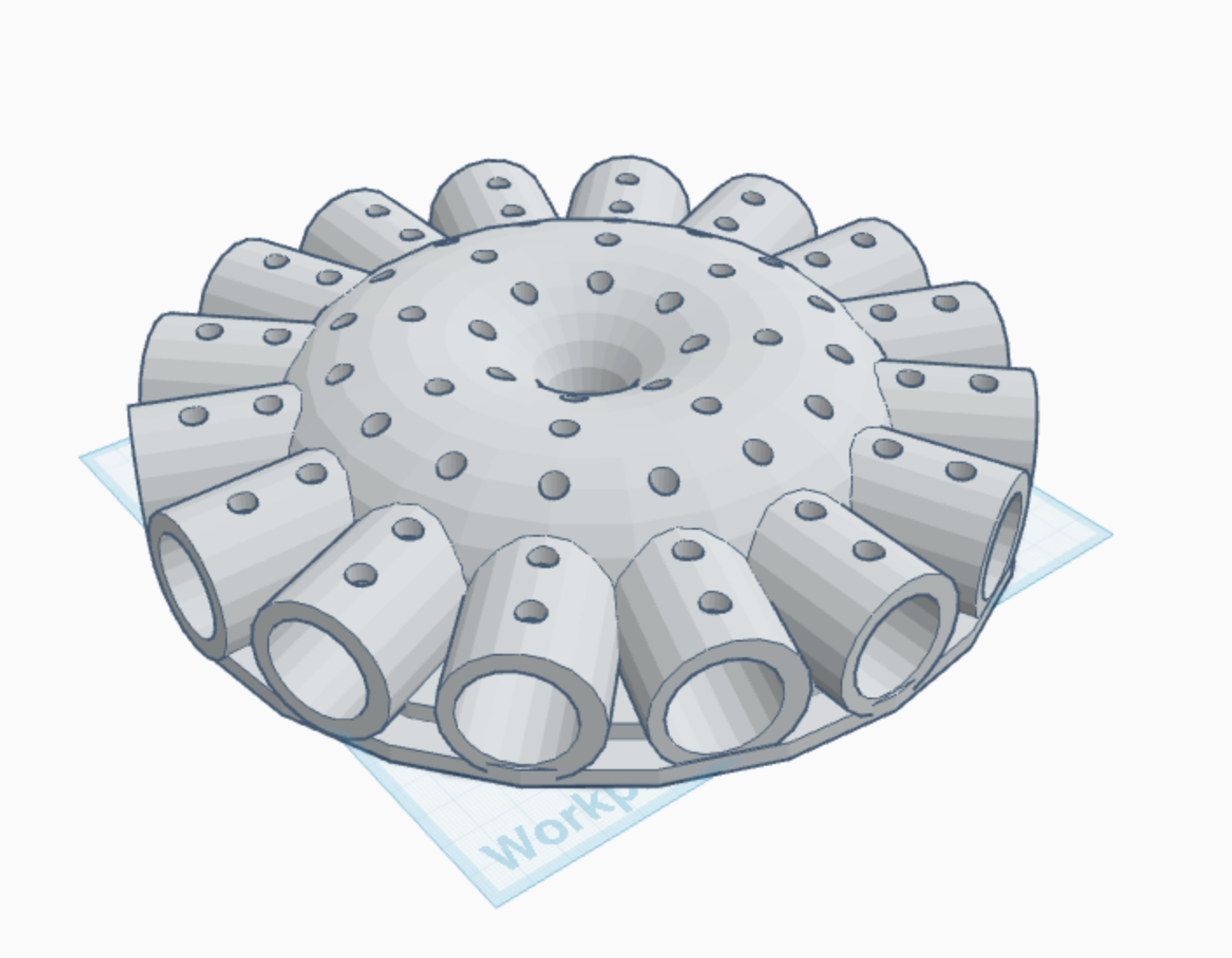
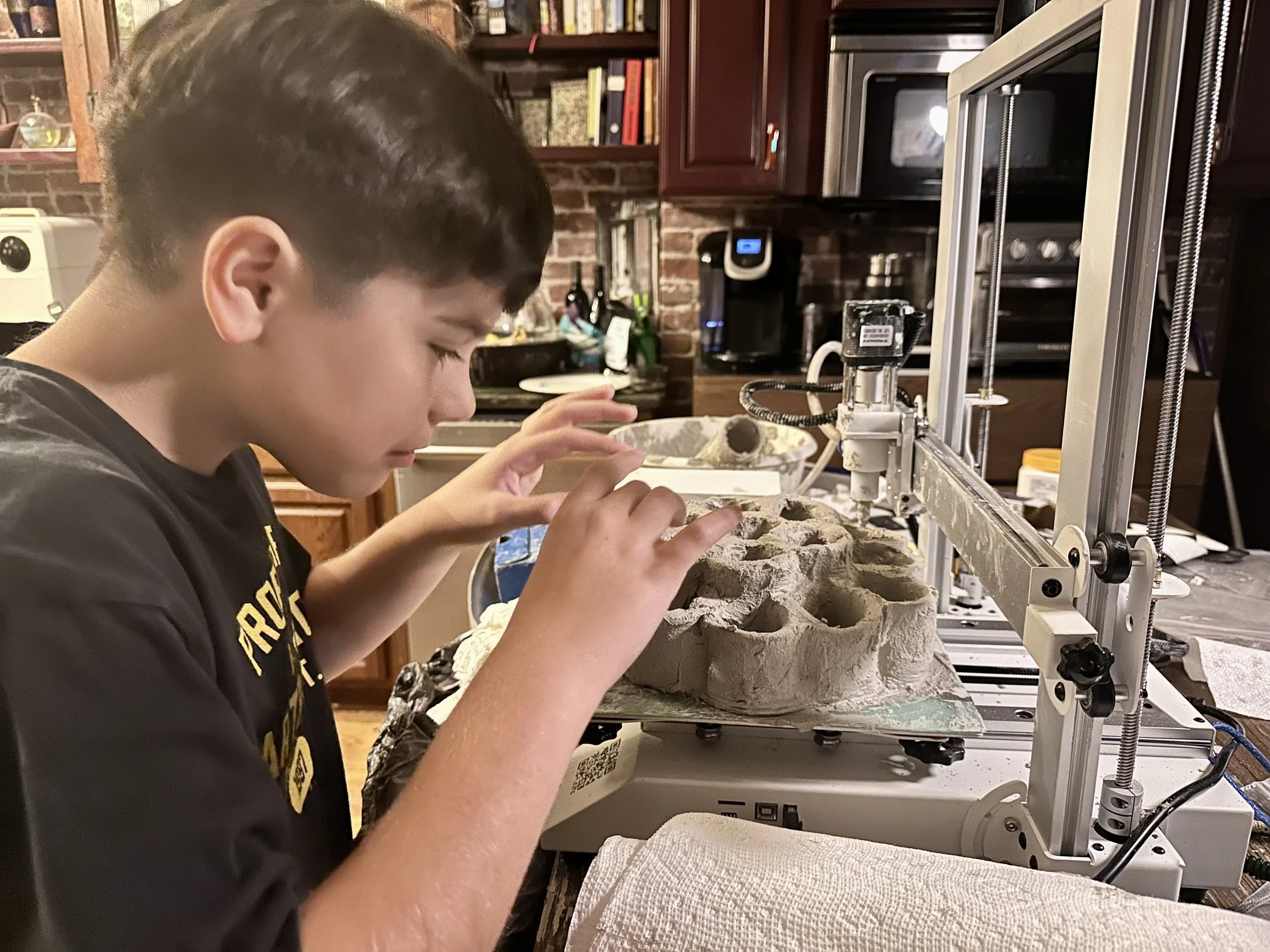
Pottery 3D Printing
4 .
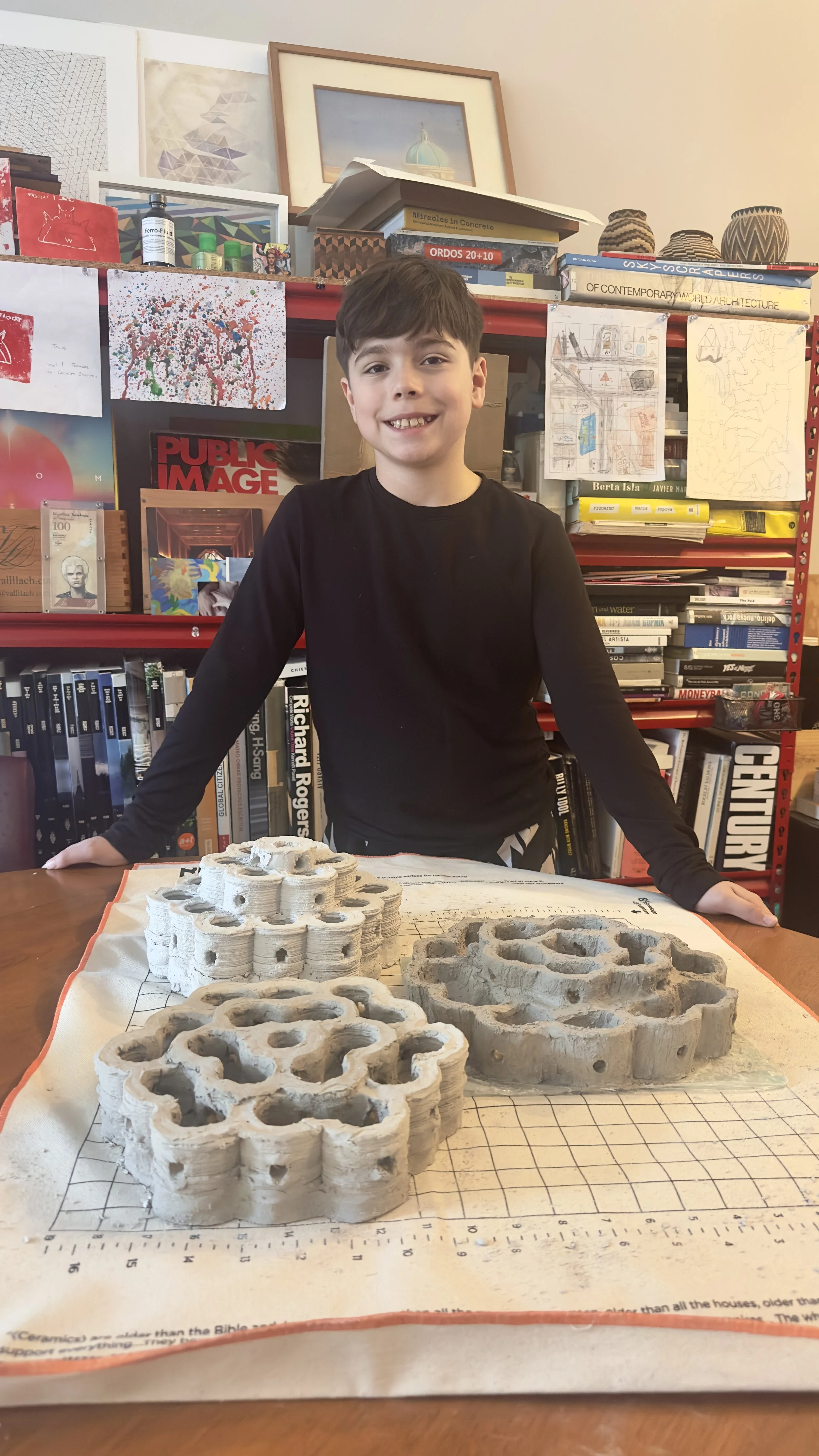
Drying The Bisque Pieces
5 .
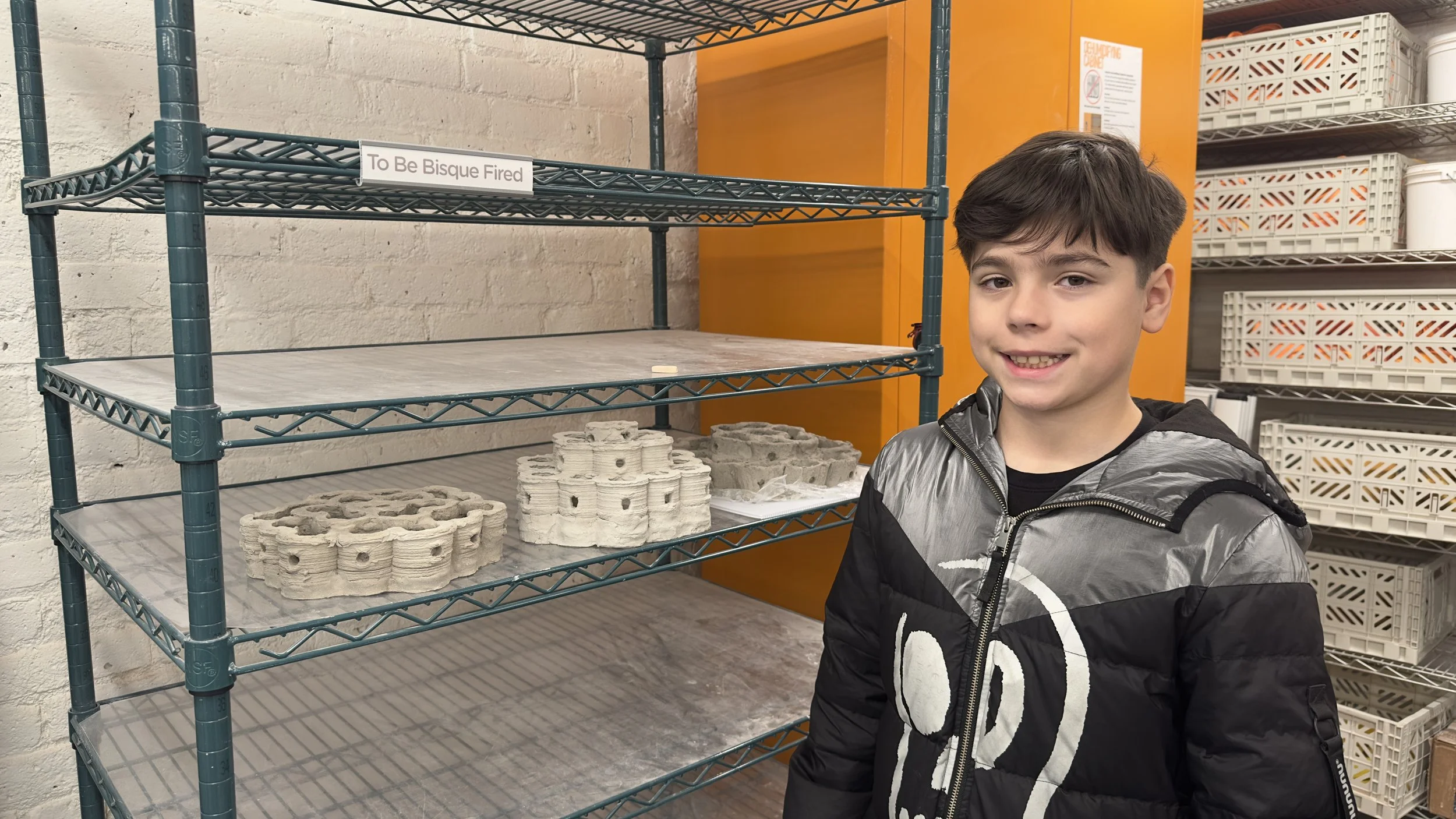
Firing The Bisque Pieces at BKLYN CLAY
6 .
Unfurling Coir Fibers
7 .
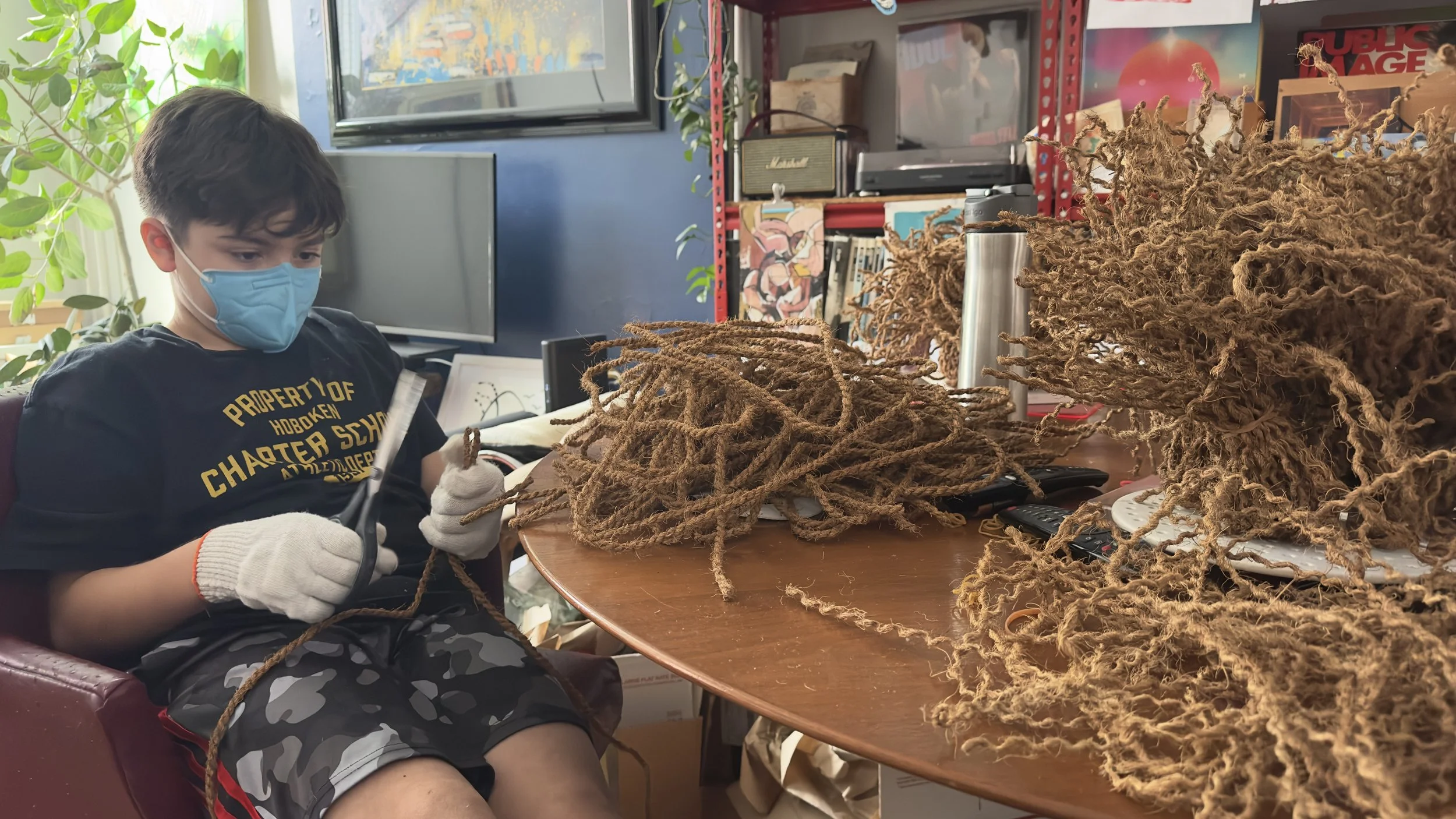
Assembling Eel Mops
8 .
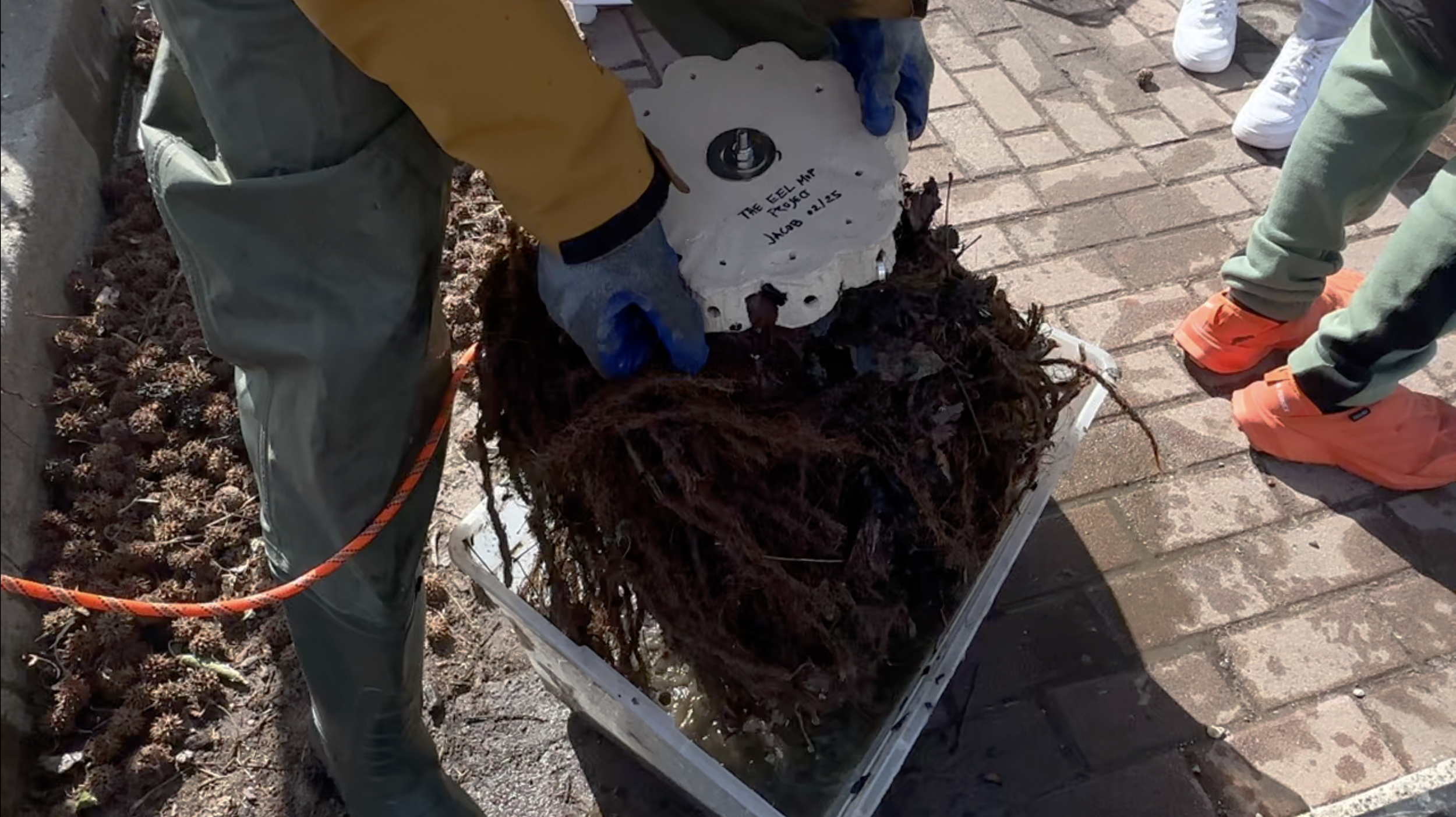
Deployment & Testing
9 .
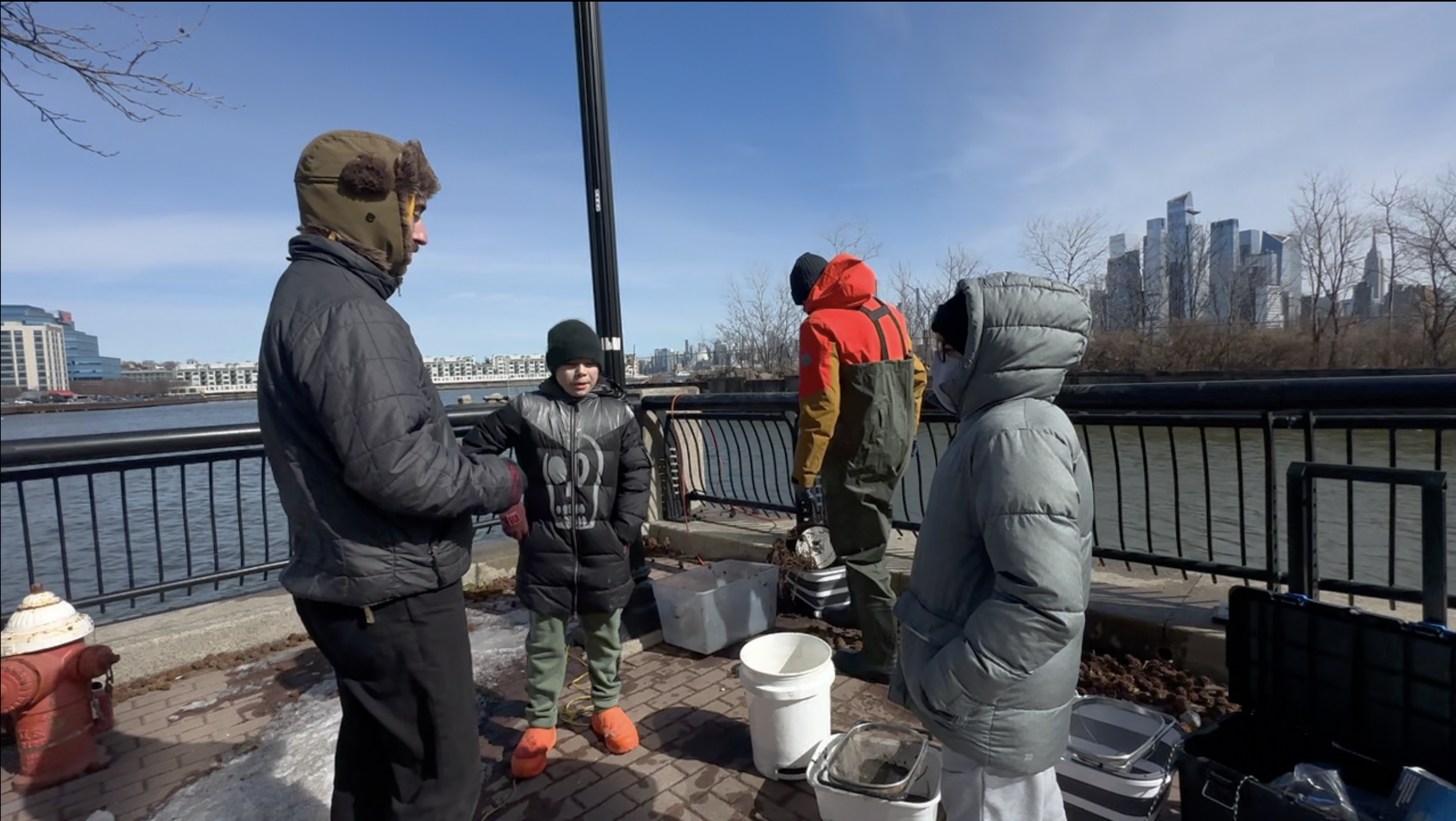
Data Collection
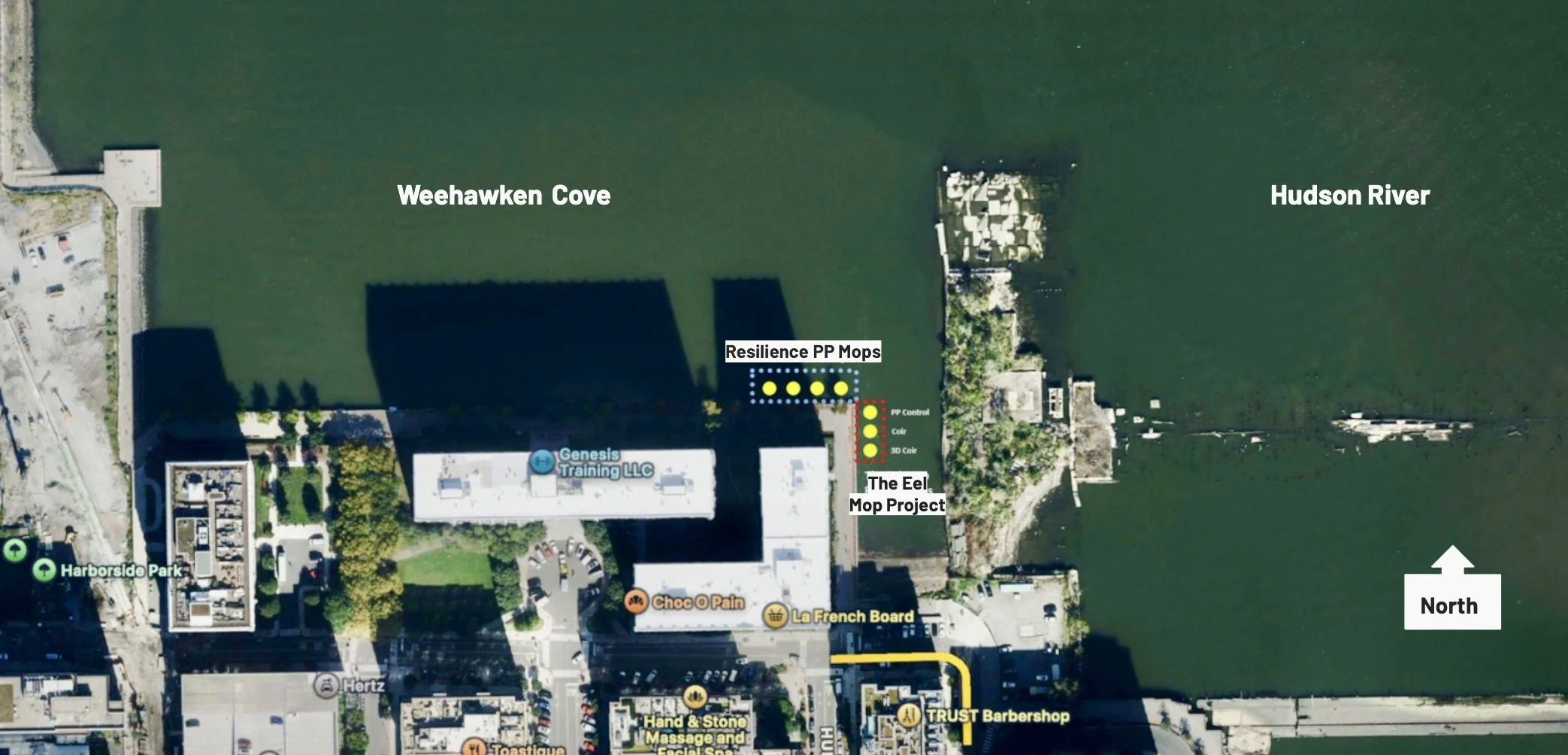
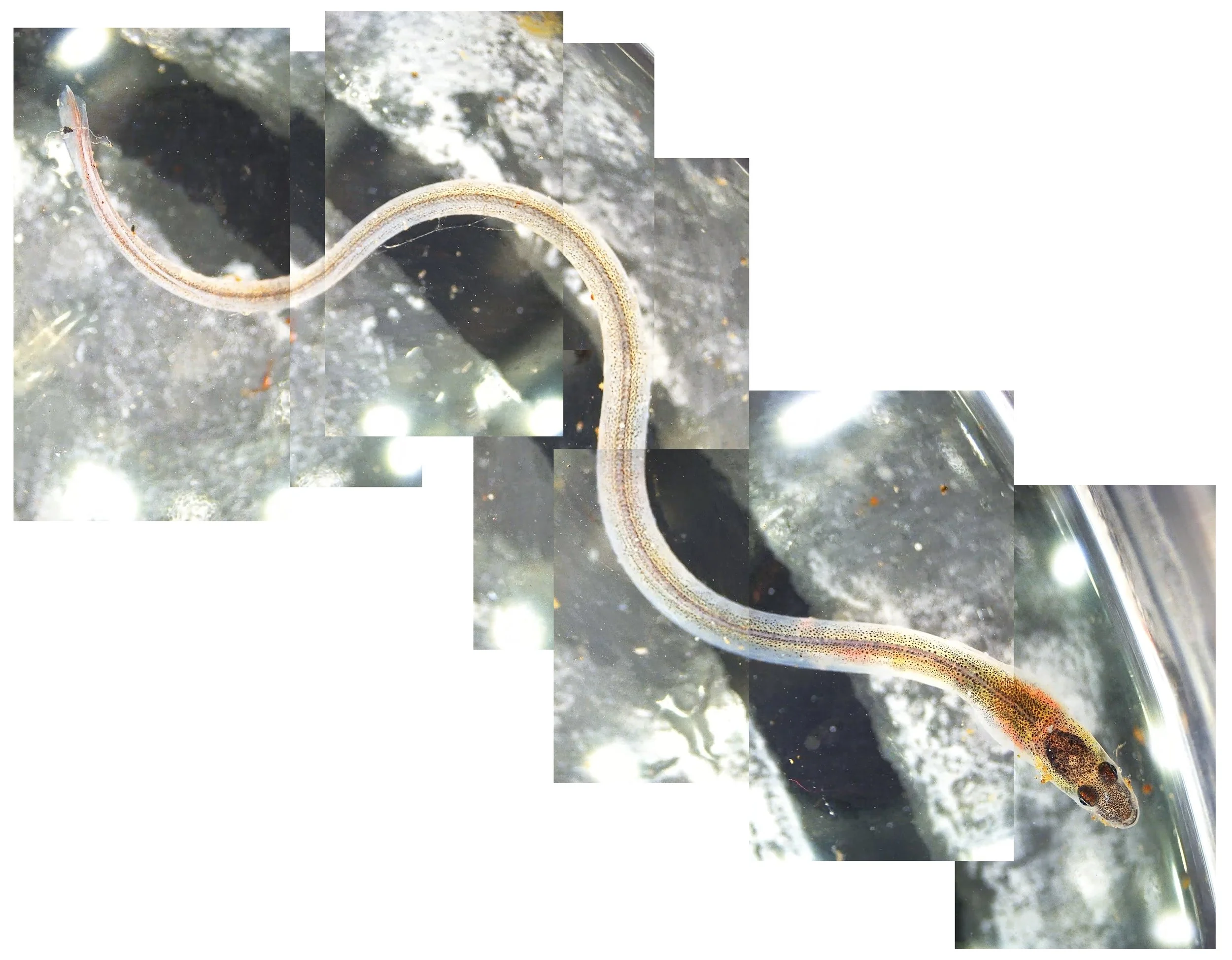
In Hoboken, one of the Resilience sampling site is near the Hudson Tea Building, seven mops are in this area: to the East are The Eel Mop Project's two eco-friendly mops and one polypropylene mop for control, and to the North, Resilience's polypropylene mops. Resilience Adventures, in partnership with the NY/NJ Harbor & Estuary Program, began monitoring our shore three years ago. Between 2023 and 2024, Resilience caught four glass eels in Hoboken. In contrast, our eco-friendly mops caught eleven glass eels and one elver, and Resilience using polypropylene mops caught one elver and two glass eels in this year's ongoing research.
We know organic materials are the better choice. Still, we recognize that the increase in Hoboken glass eels is also due to improved water quality and the growth of collaborative projects that boost eel catches.
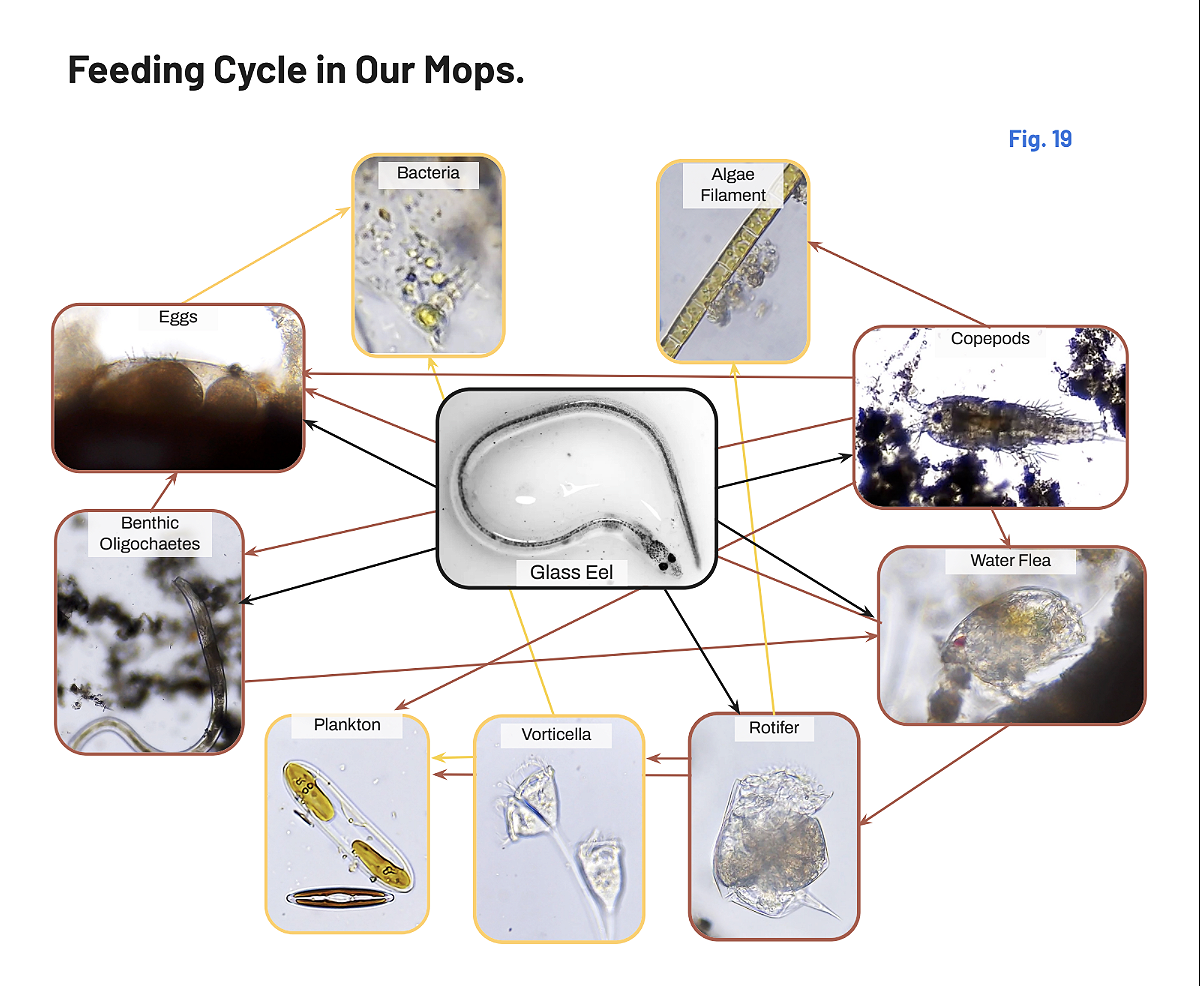
Eels are smart; they will choose the better habitat that increases the possibility of their survival. So, we have a theory that the success of eco-friendly mops over plastic ones is due to tiny specimens being attracted to coir and being part of the eel's diet. The success of the glass eels in migrating inland after their metamorphosis largely relies on their energy levels, which they will gain by food intake. Glass eels are opportunistic feeders, with a diet that includes phytoplankton, zooplankton, insects, crustaceans, and even fish. One of their primary food sources is crustacean plankton, especially copepods. They also consume smaller amounts of benthic oligochaetes. During our analysis, we identified all the specimens that are part of the eel's diet within the coir fiber sample under the microscope.